An authentic message, in the appropriate format for any destination.
Displays, VMS boards and urban speakers have different capabilities. Coordinating them begins with defining the message and publishing responsibility, followed by choosing the right format and coverage area.
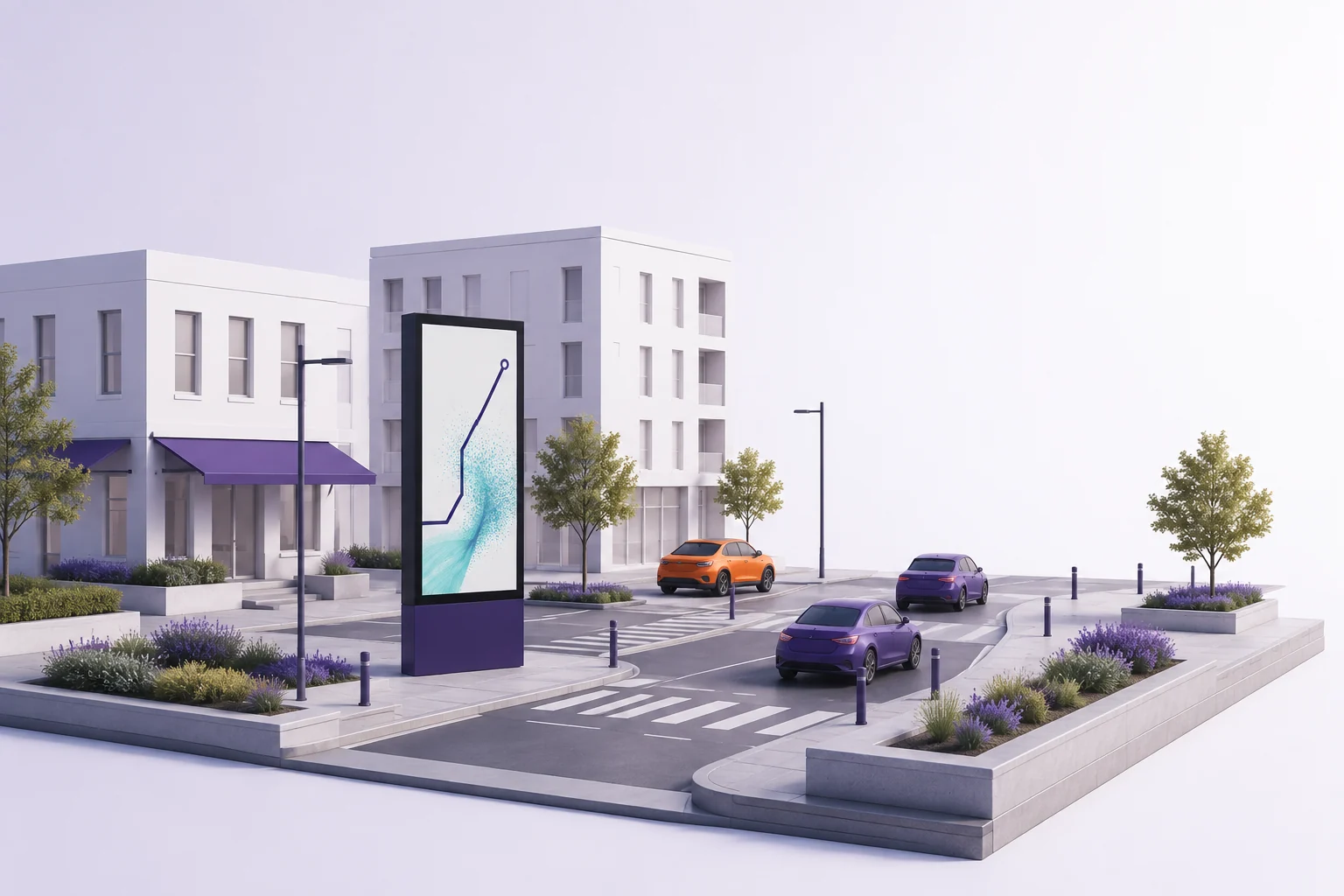

Why is this application important?
Urban communication faces audiences who are on the move and have limited time to receive messages. Long text on a road sign or irrelevant audio broadcast over a wide area can reduce communication efficiency. The importance of comprehensive audio and video management is the ability to design a regular message for any type of destination.
An urban network may support an event, a public-service change, environmental guidance or an approved notice. Each scenario needs a content source, coverage area, validity period and review process. For sensitive messages, define the responsible operator and the organization’s approved procedure from the outset.
From idea to usable implementation
Maintain common meaning in different formats
The image version can use the title and graphic symbol; The VMS text needs more brevity and the audio version needs to be understandable when listening. These versions should not differ about the time, place or action of the audience. The approved parent text is the reference for revisions.
Match the scope of publication with the effect of the message
A message related to a range is not necessarily suitable for all destinations in the city. Grouping of destinations, clear naming and revision of recipient list helps in relevant dissemination. The operator must know where, when and in what version the message will be presented before execution.
Treat message expiry as seriously as publication
An expired notice, if left in circulation, undermines trust in subsequent messages. Be responsible for extending, modifying or terminating the specified message. For a sudden change of conditions, check the coordination of video and audio versions in the operation exercise.
Scenario: Notification of an urban event
The operator defines the approved area, time and visitor route. Displays present details appropriate to the environment, VMS boards deliver a relevant short message, and public-address speakers provide a coordinated audio version within the defined area. After the event, the temporary message is removed from every related destination.
What is the role of each channel?
| Destination | The appropriate form of the message | Necessary control |
|---|---|---|
| Public display | Title and visual guide | Readability and appropriateness to the place |
| VMS sign | Short and clear text | Respecting the sign’s display constraints |
| Urban loudspeaker | A spoken message that is easy to understand | Range and time of playback |
How to evaluate the result?
Document synchronization of versions, release to correct destination and message exit after expiration in test scenario. Operator review should detect scope selection errors or residual old content. The criterion of success is the correctness of the communication process, and for sensitive messages, the user’s independent evaluation is also necessary.
This scenario in SignagePlus
SignagePlus, a comprehensive knowledge-based audio and video management system with AFTA security certificate, covers display and kiosk management, VMS and urban speakers in its range of solutions. The execution scenario is adapted to the operator’s approved equipment, access and process.
Common questions
Can display text be used exactly for audio?
The meaning of the message should be the same, but the listening sentence needs its proper writing. Review the names, time, and expected action in each individual version.
Should every message be broadcast to all destinations?
No; The scope of the effect and the audience of the message are decisive. Targeted publishing can keep the content relevant to the destination.